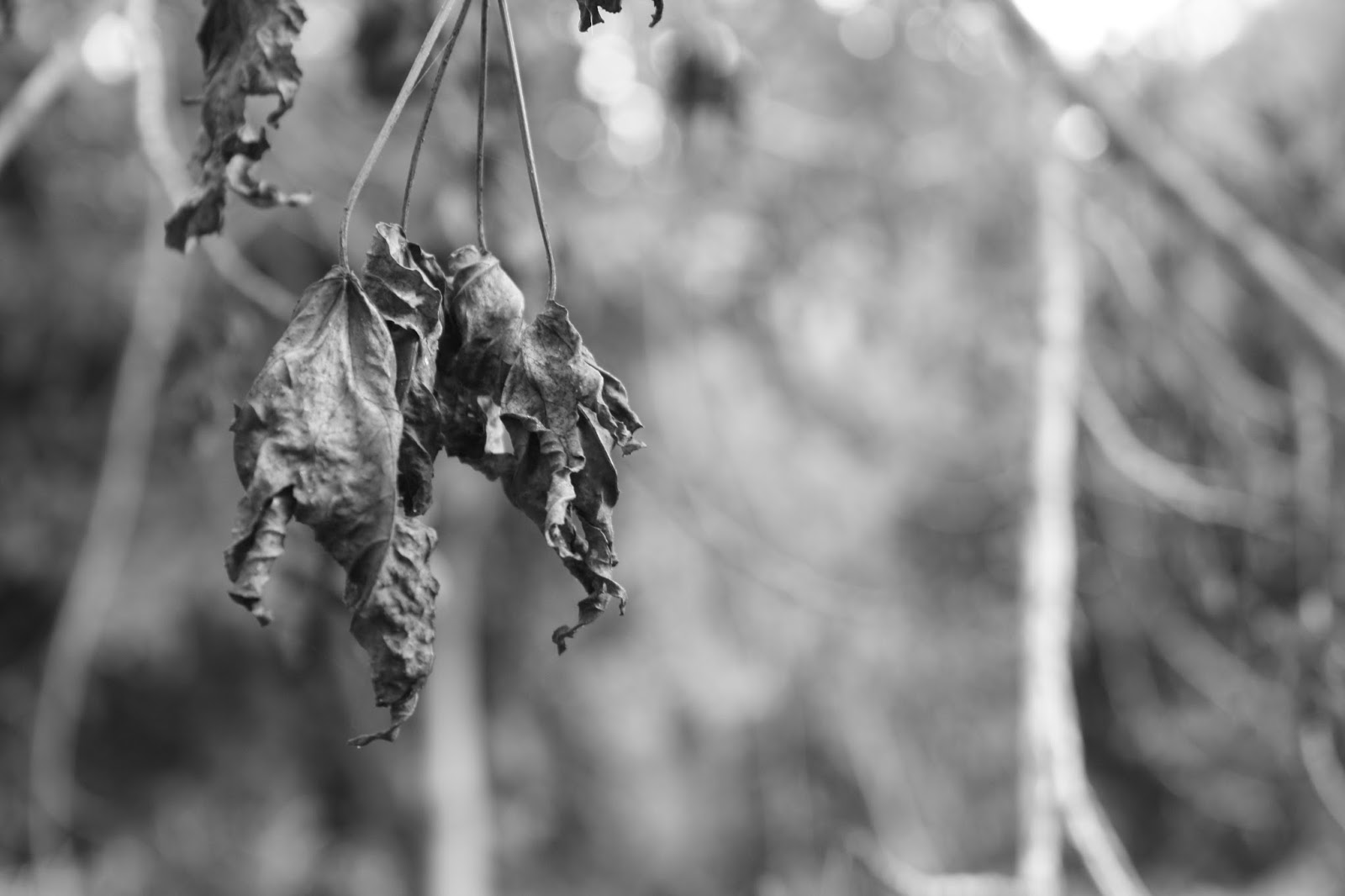
Wednesday, 21 October 2015

Photography Practical Theory - Thinking in Black and White

Photography Practical Theory
Thinking in Black and White

Henri Cartier Bresson


Henri Cartier Bresson was a French photographer born in 1908, from an early age Henri Cartier Bresson focused on Black and white photography, he almost exclusively shot in black and white because he was completely against the use of colour, he once said "Photography in colour? It is something indigestible, the negation of all photography's three-dimensional values", the reason for this rejection of colour was because of snobbery. Because Henri Cartier Bresson shot in white it meant a lot of his photos focused on the textures and details of the subjects in the photos, black and white also leads the eye more and involves the viewer in the photo.

Irving Penn


<em>Picasso (A), Cannes</em>, 1957

Irving Penn was born on June the 16th 1917, he went on to become one of, if not the most famous black and white photographers, although he did still photograph in colour. One of his most famous black and white pieces was the black and white cover of vogue which was published in 1943. Another thing Irving Penn was famous for is photographing people who he has place in a studio from another environment, these pieces of work were called "small trade" and were done from 1950 - 1951.

Don McCullin

<em>Dawn, The Elephant Festival, Bihar</em>, 1993
Don McCullin was born in 1935 in London, he was a photo journalist, this meant he travel to various parts of the world and viewing many different events such as Biafra, the Belgian Congo, the Northern Irish 'troubles', Bangladesh, the Lebanese civil war, El Salvador and the Russian invasion of Afghanistan, but was most famous for his pictures of Vietnam and Cambodia. he took the majority of his photos in black and white because he said that black and white has an impact of the viewer that color could not match.

Ansel Adams

Ansel Adams was born on Feb. 20th 1902, he was most famous for his Black and White landscape shots. The reason he shot his photos in black and white is a similar reason to Ansel Adams, he felt that the black and white filter had a more powerful effect on the viewer rather than the actual colours. Ansel Adams was also famous for being part of a group called Aperture 64 (Group f/64). This group consisted of 11 photographers, these photographers were Ansel Adams, Imogen Cunningham, John Paul Edwards, Preston Holder, Consuelo Kanaga, Alma Lavenson, Sonva Noskowiak, Henry Swift, Willard Van Dyke, Brett Weston and Edward Weston. The main idea of the group was to show that a camera could capture the world more clearly than a human eye, because it didn't project and personal prejudice or and views.

Imogen Cunningham

Imogen Cunningham was a photographer who was part of the Aperture 64 group (Group f/64), she was born 1883. She was another photographer who specialized with the black and white filter. Like Ansel Adams and Don McCullin she used black and white because it has a specific effect on the viewer and exaggerates the tone and detail.

Monochrome Colored Filters
in photographer there are many different filters which can be used to enhance the appearance of a photo, these filters can be used on top of a black and white filter.

Red Filter 
Landscape converted to black and white using a red filter
Photographers us the Red filter on top of the black and white filter mainly to increase the contrast. A type of photography this is good for is if the photographer is photographing plants as it increases a lot of the detail and contrast the flower against the foliage.
Yellow Filter
Sea and clouds converted to black and white using a yellow filter
The Yellow filter is used to balance out lighter shades against darker shades, this filter is good for landscape shots which capture a lot of the sky because it brings out detail in the clouds and darkens the sky increasing the detail.
Green Filter
Flower photo converted to black and white using a green filter
The Green filter is usually only used in plant photography and nature photography because it exaggerates the colors of the flowers and buds against the background of foliage. It is also good for using this filter when taking a landscape photo and there is a lot of green lower in the photo as it boosts the appearance of grass and trees.
Blue Filter
Landscape converted to black and white using a blue filter
The Blue filter is used to make most colors darker than they are, the photographer will use this if they want to capture a silhouette of something as it reduces the detail and contrast of things.

Thursday, 15 October 2015

1st bit of street photography


In this photo I have captured an entrance to an alleyway between two buildings, to interact the viewer I have made it so theirs to different levels the viewer can focus on, the first is the entrance and the detail of the entrance with the brick work and the stone face that's sitting above the entrance, the second level is the end of the alleyway which which makes the views eyes do into the alleyway. I have put as little light in the photo as I could, I have done this because it creates a scene of wonder and mystery to whats inside the entrance.


In this picture I have captured a road gradually turning in a bend, to interact the viewer I have used the left hand side of the pavement as a leading line making the viewers eyes follow the left side of the photo into the bend. with the cars on the right I have used diminishing size from the large car in the foreground to the small cars going round the bend in the background, I have done this because like a leading line it makes the viewer look on the right side of the photo.


In this photo i have captured old broken down washing machines and junk behind a metal bared fence, I have captured this to represent people who are in poverty and are stuck. the broken down, old equipment represents being poor and poverty and the bars of the fence represent prison bars or a cage keeping whats behind it there.


In these photos I have captured the main focus (the rundown, graffiti covered building) in-between two well maintained and still operational builds, I have done this to contrast the two building. In these photos I have also used the two buildings on the side as a frame for the main focus.


In this picture there is a house at the top of a high edge, as you can see at the top where the house meets the sky I have overexposed the light, I have do this because it brings an idea of mystery to the house I have added mystery because I feel the house has been built in a certain style which reminds me of a tower. I have also over exposed the light because it exaggerates the height of the building, also to exaggerate the high I have taken a low shot facing up at the building.


Wednesday, 14 October 2015

1st Practice at the Arboretum


In this picture half is the main image which is tree bark and half is the faded out background I have done this to create two completely different effects I have captured the detail and the smallness of the main image and with the background I have captured the vastness and how large everything is.


In this photo I have captured the side of a tree and half of the top of a tree stump, I have done this because I wanted the main focus to be a frame around a solid thing in the background, this is why I have purposely over exposed the water in the background because I wanted it to be a solid thing and not to draw your eye away from the detail and shape of the frame/main focus.


In this picture I have captured a tree in the center immediately this focuses where the viewer is looking, after they have viewed the basics of the picture I have captured the path and a fence going from the foreground of the photo to the background of the photo just behind the center focus which is the tree, I have done this to get the viewer more involved rather than just looking at the picture.


these last two pictures I have taken of the duck and the pigeon i dislike because both are to dull and dark, the main focus (two birds) aren't drawing the viewer in theirs nothing special about them, apart from this my technique is good, the main images are in focus and the photos if timed better could involve the viewer more.


In this photo I have captured the edge of a wall from underneath, I have captured it in a way that it makes it a leading line which gets the viewer interacting with the photo but unlike other leading lines where the make the viewer follow the lines to a certain things I have done it so they follow up the line viewing things as they go such as cobwebs and the details of the wall.


In these four pictures I have capture a flower with four different types of aperture and shutter speed, the first picture I captured the flower with too much light exposure, as the pictures went on I changed the shutter speed to capture more details and to not capture as much light exposure. what I have captured in the photo is a bright flower against a dark solid background of, I have done this because it draws the main focus of the viewer to the main image which is the flower, also in this picture there is another thing in focus which is the flower to the left which hasn't blossomed, even though this isn't the main focus it draws the viewers eye towards it which gets the view more interactive with the photo.


In this picture I have captured the detail of the building and made that my main focus I haven't captured any of the clouds details because I wanted the images main focus to be the building.I have captured it with very little light because I wanted to emphasize it and make it stand out from the light/white background.